Have you ever felt like your delivery trucks are running in circles? You know the scenario—drivers stuck in traffic, customers waiting for packages that never arrive, and your team scrambling to update tracking information. For Australian logistics businesses, last-mile delivery is one of the toughest challenges. Delivery delays, inefficient route planning, and customer complaints are not just frustrating—they are costly.
Table of Contents
ToggleIn fact, last-mile delivery accounts for up to 53% of total shipping costs (MIT Sloan Management Review, 2024; FarEye, 2023; Clickpost, 2025), and delays can lead to lost customers and damaged reputations. As consumer expectations continue to rise and competition intensifies, the final mile of delivery has become the ultimate differentiator between thriving and struggling logistics businesses.
For expert guidance tailored to Australian SMBs, visit Work Made Simple (WMS).


Last-mile delivery is the final step in the logistics chain—the journey from your warehouse to the customer’s doorstep. It is also the most visible part of your service. If this step goes wrong, customers notice. They expect fast, reliable, and transparent delivery. If you cannot deliver, they will go elsewhere.
The risks are real. Missed deliveries, wasted fuel, and unhappy customers all add up. In fact, 98% of consumers say that the delivery experience impacts their brand loyalty (Clickpost, 2025), and 84% will not repurchase from a brand after a bad delivery experience (Clickpost, 2025). In a competitive market, reliability is everything. If you cannot deliver on time and in full, your business will suffer.
Failed deliveries are particularly costly, with each failed attempt costing businesses approximately $17.78 (Clickpost, 2025), with failed deliveries accounting for about 5% of all last-mile deliveries. These figures highlight the critical importance of getting the final mile right.
ERP (Enterprise Resource Planning) is the solution. It connects all parts of your logistics operation—warehousing, transportation, customer service, and finance—into one integrated platform. With ERP, you can manage delivery schedules, track shipments, and optimize routes in real time. No more switching between systems or guessing about delivery status. ERP gives you the tools to grow, work efficiently, and innovate.
These challenges are compounded by the fact that driver shortages continue to plague the logistics industry. Approximately 37% of logistics providers struggle to find qualified drivers (Clickpost, 2025), which puts additional pressure on operations and increases labor costs—which account for the largest share of last-mile expenses.
ERP tackles each challenge head-on. Here is how:
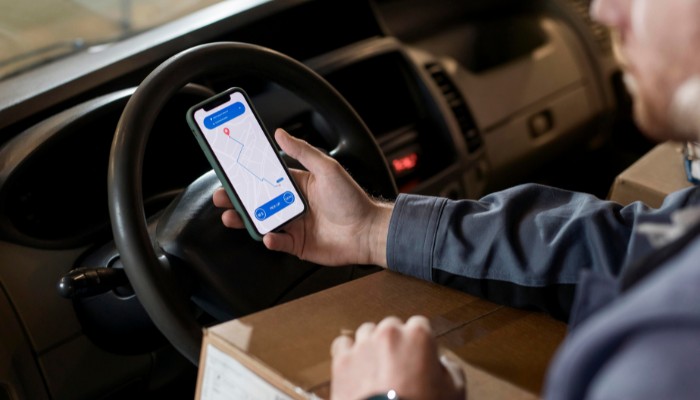
ERP systems provide live updates on delivery status. You can see where each truck is and when it will arrive. This means fewer delays and better customer communication. With 47% of consumers wanting greater delivery visibility (Clickpost, 2025), real-time tracking is no longer a luxury—it is a necessity.
ERP uses data to plan the most efficient routes. It considers traffic, weather, and delivery windows. This saves fuel, reduces travel time, and keeps drivers on schedule. Research shows that advanced route optimization and load pooling can achieve a 25% reduction in delivery costs (Clickpost, 2025), while improving environmental sustainability.
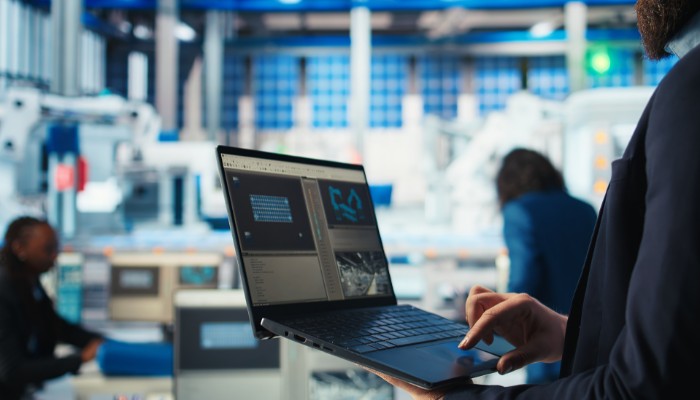
ERP automates routine tasks like dispatching and invoicing. This saves time and reduces errors, letting staff focus on more important work. Automation also enables businesses to respond quickly to changing conditions and customer demands.

ERP systems send automatic updates to customers. They know when their package is out for delivery and when it will arrive. This reduces complaints and builds trust. Proactive communication significantly improves first-attempt delivery success rates, which directly reduces overall operational costs.
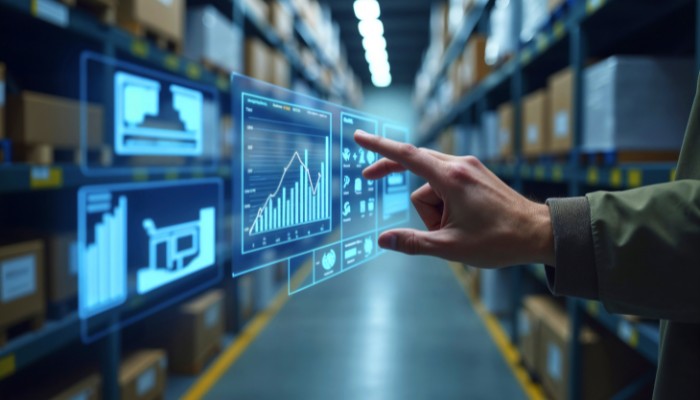
ERP connects all parts of your business—warehousing, transportation, and customer service. This means smoother operations and better coordination across all touchpoints of the customer journey.
The benefits of ERP in last-mile delivery are measurable and significant:
1. ERP users report a 25% reduction in delivery delays (Industry case studies; JRS Dynamics, 2024), enabling faster order fulfillment and improved customer satisfaction
2. Optimized route planning saves fuel and reduces travel time, lowering transportation costs while supporting sustainability goals
3. Automated scheduling keeps your business running smoothly and reduces the need for manual intervention
4. Real-time tracking improves customer satisfaction, with 98% of consumers linking delivery experience to brand loyalty (Clickpost, 2025)
5. ERP integrates all delivery channels into one unified view, helping you manage operations seamlessly. With 81% of retailers boosting last-mile investments, it’s a clear advantage for staying competitive.
Getting the most out of ERP requires careful planning and execution:
Start with a clear understanding of your business needs. Identify the pain points you want to solve and the key performance indicators (KPIs) you want to improve.
Work with an experienced partner like WMS to tailor the system to your specific requirements and industry standards for Australian logistics.
Migrate data carefully and train staff to use the new system effectively. Change management is critical to successful adoption.
Use the system’s reporting tools to monitor progress against your KPIs and make informed, data-driven decisions.
Regularly review and optimize your processes to get the most out of ERP and stay ahead of market changes.
The logistics industry is evolving rapidly. Same-day delivery expectations are now the norm—66% of shoppers expect same-day delivery (Clickpost, 2025)—and sustainability is becoming a key differentiator. In fact, 76% of consumers will pay more for sustainable delivery options (Clickpost, 2025), making environmentally responsible logistics a competitive advantage.
ERP systems are uniquely positioned to help Australian logistics businesses meet these emerging demands while controlling costs and improving profitability. By centralizing operations, enabling real-time decision-making, and automating routine processes, ERP transforms last-mile delivery from a cost center into a strategic advantage.
ERP is not just another software tool. It is a catalyst for transformation. It helps Australian logistics businesses work faster, smarter, and more profitably. It connects every part of the business, provides real-time control, and helps manage costs in an increasingly competitive environment.
If you are ready to take the next step and transform your last-mile operations, contact Work Made Simple (WMS) to request a demo and see how ERP can help your operation thrive in the competitive Australian logistics market.
ERP is a software system that connects all parts of your business—warehousing, transportation, customer service, and finance—into one unified platform for seamless operations.
It provides real-time tracking, optimized route planning, and automated scheduling to reduce delays, improve visibility, and enhance customer satisfaction.
Yes, ERP systems send automatic updates to customers about delivery status, reducing complaints and building trust throughout the delivery experience.
Yes, ERP can manage multiple delivery channels and partners through a centralized dashboard, providing unified visibility across all operations.
It optimizes routes based on real-time data, automates scheduling to prevent bottlenecks, and provides real-time tracking to identify and resolve issues immediately.
Yes, ERP is scalable and can be tailored to businesses of all sizes, from startups to large enterprises, adapting to your specific operational needs.
It plans the most efficient routes using advanced algorithms, reducing fuel consumption and travel time while supporting sustainability goals.
Yes, ERP can connect with legacy systems and existing tools, ensuring a smooth transition without disrupting current operations.
It enables timely, transparent delivery through real-time tracking and proactive communication, while reducing failed deliveries and improving on-time performance.
Contact WMS to request a demo and learn how ERP can help your Australian logistics operation overcome challenges and achieve sustainable growth.