
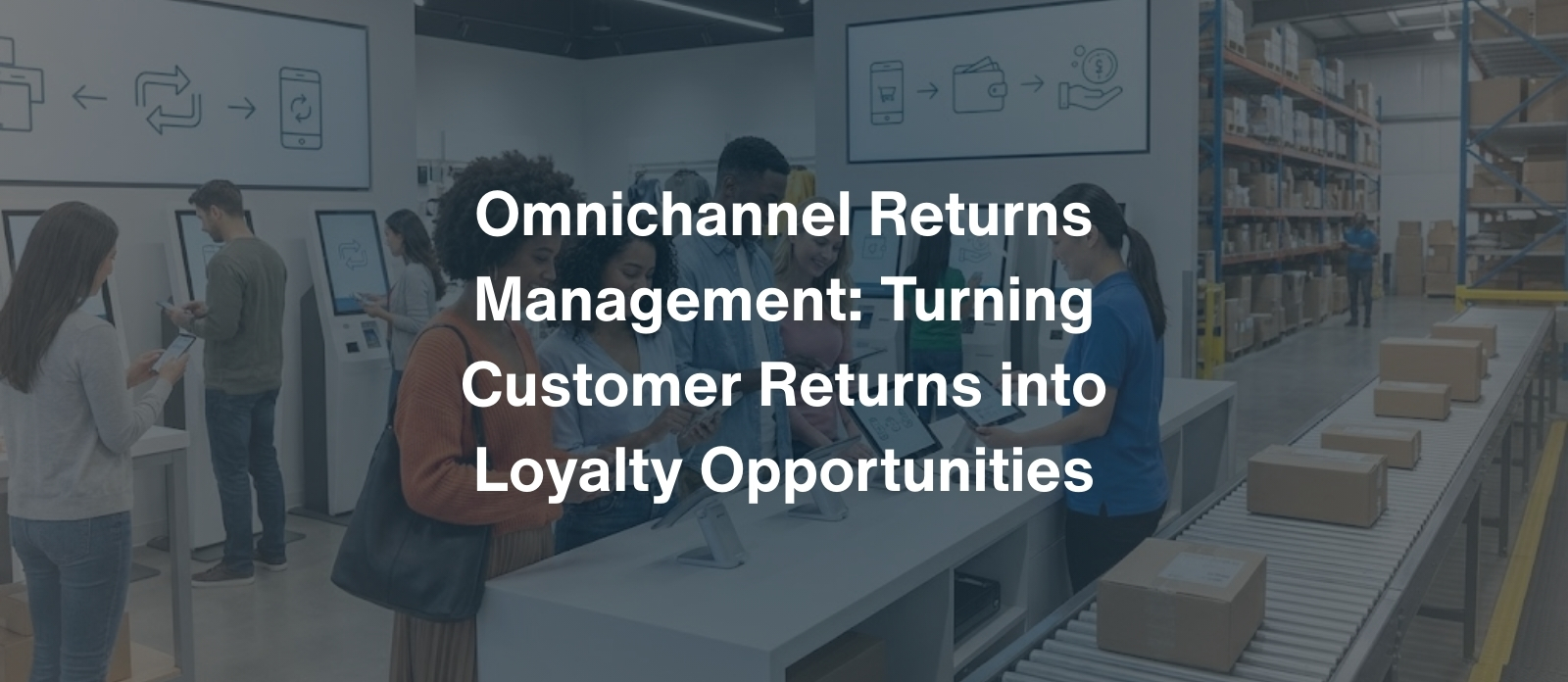
A customer buys shoes online. They don’t fit. She tries to return them. Your website says ‘contact customer service.’ She waits 48 hours for email response. When she finally gets instructions, she must print a label, find packaging and visit the post office. Two weeks later, her refund arrives. She never shops with you again.
Meanwhile, your competitor offers instant buy online return in-store. Walk in, scan QR code, get immediate refund. Five minutes total. The customer buys replacement shoes before leaving.
Returns aren’t going away. Australian online shoppers return 15-30% of purchases depending on category. The question isn’t whether to accept returns, but how to make the process so seamless it builds loyalty instead of destroying it. Currently, only 27% of Australian retailers offer online returns tracking—leaving a massive competitive gap for those who get it right.
For comprehensive context on the role of ERP in delivering seamless omnichannel experiences, see our complete guide.
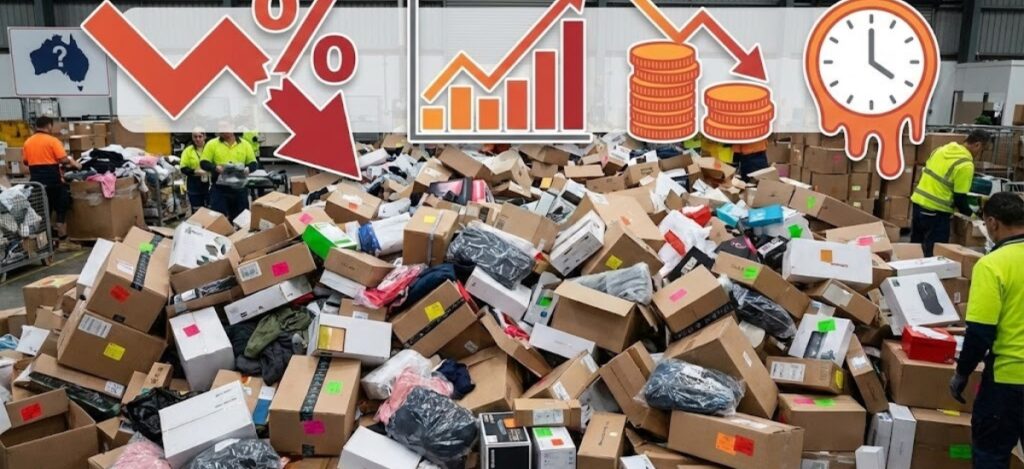
Returns represent both a significant cost and untapped opportunity for Australian retailers:

Australian shoppers have been trained by market leaders. They now expect:
Poor returns experiences stem from disconnected systems and manual processes. Without unified technology, retailers face impossible operational challenges:
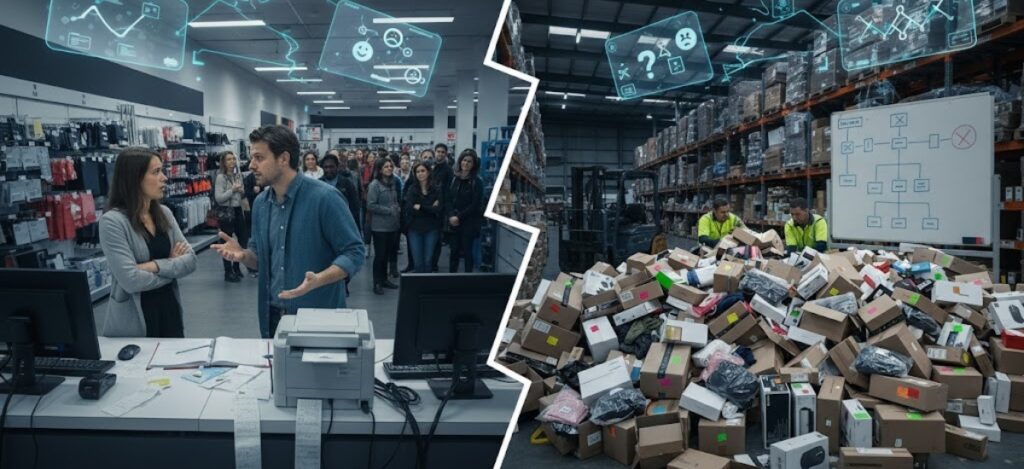
These failures compound over time. Staff waste hours on returns processing. Customers abandon brands. Returned inventory depreciates in storage. The cost center grows while customer loyalty shrinks.
Modern retail ERP systems transform returns from friction points into loyalty opportunities through automated, omnichannel workflows.

The most impactful returns capability for Australian retailers. Here’s how it works with integrated ERP:
Customer benefit: Immediate resolution without shipping costs or waiting periods. Many customers browse while in-store and purchase replacements.
Retailer benefit: Reduced return shipping costs, opportunity for same-visit repurchase and instant inventory replenishment for high-demand items.

Manual refund approval creates delays and customer frustration. ERP systems automate the entire refund workflow based on configurable business rules:
For detailed insights on real-time inventory updates during returns, see our inventory management guide.

One of the most overlooked benefits of automated returns management is how quickly products re-enter sellable inventory. With ERP systems:
Impact: Retailers reduce time-to-resale from 7-14 days down to 1-2 days, significantly improving inventory turnover and reducing lost sales from products sitting in returns queues.
Technology enables great returns experiences, but strategy determines whether returns build or destroy value.
Your return policy should balance customer generosity with fraud prevention:
Focus automation efforts where they deliver maximum customer and operational impact:
Use returns data to improve product quality, sizing accuracy and descriptions:
Track these KPIs monthly to optimize your returns program:
The ultimate measure: customers who return items should remain loyal customers. Track 90-day and 365-day repeat purchase rates for customers who’ve made returns versus those who haven’t. Leading retailers find that customers with easy return experiences actually become more loyal, not less.
| Metric | Manual Process | Automated ERP |
|---|---|---|
| Processing Time | 7–14 days | 1–2 days |
| Cost per Return | $15–$25 | $5–$8 |
| BORIS Capability | Not possible | Fully enabled |
| Customer Satisfaction | 45% | 85% |
| Repeat Purchase Rate | 12% | 34% |

Returns are inevitable in modern retail. The choice is whether they damage customer relationships or strengthen them. With only 27% of Australian retailers offering online returns tracking, the opportunity is massive for those who invest in proper omnichannel returns management.
The retailers winning in 2025 have transformed returns from cost centers into loyalty drivers. They’ve reduced processing time from two weeks to two days. They’ve cut costs per return by 60%. Most importantly, they’ve turned frustrated customers into repeat buyers through frictionless experiences.
The technology exists and the ROI is proven. Work Made Simple (WMS) helps Australian retailers implement returns-optimized ERP solutions that deliver measurable improvements in customer retention and operational efficiency. Our expertise with Dynamics 365 Business Central and LS Retail ensures you’re among the 27% offering world-class returns experiences—not part of the 73% falling behind.
Ready to implement? Learn about evaluating ERP returns capabilities in your vendor selection process.
Omnichannel returns management allows customers to return products purchased through any channel (online, in-store, marketplace) via any return method (ship back, in-store drop-off, third-party location). The system handles all workflows automatically regardless of purchase or return channel.
ERP automates returns through integrated workflows: customers initiate returns online receiving instant authorization, store associates process BORIS returns with one-click lookups, refunds execute automatically based on policy rules, inventory updates in real-time and customer communications trigger at each stage—all without manual intervention.
Yes, modern ERP systems provide customer-facing portals showing real-time return status: return authorization approved, item received at warehouse, inspection completed, refund processed. Automated email and SMS notifications keep customers informed throughout, addressing the gap where only 27% of Australian retailers currently offer this capability.